From Generation to Generation: Ancestors, Us, and Our Kids
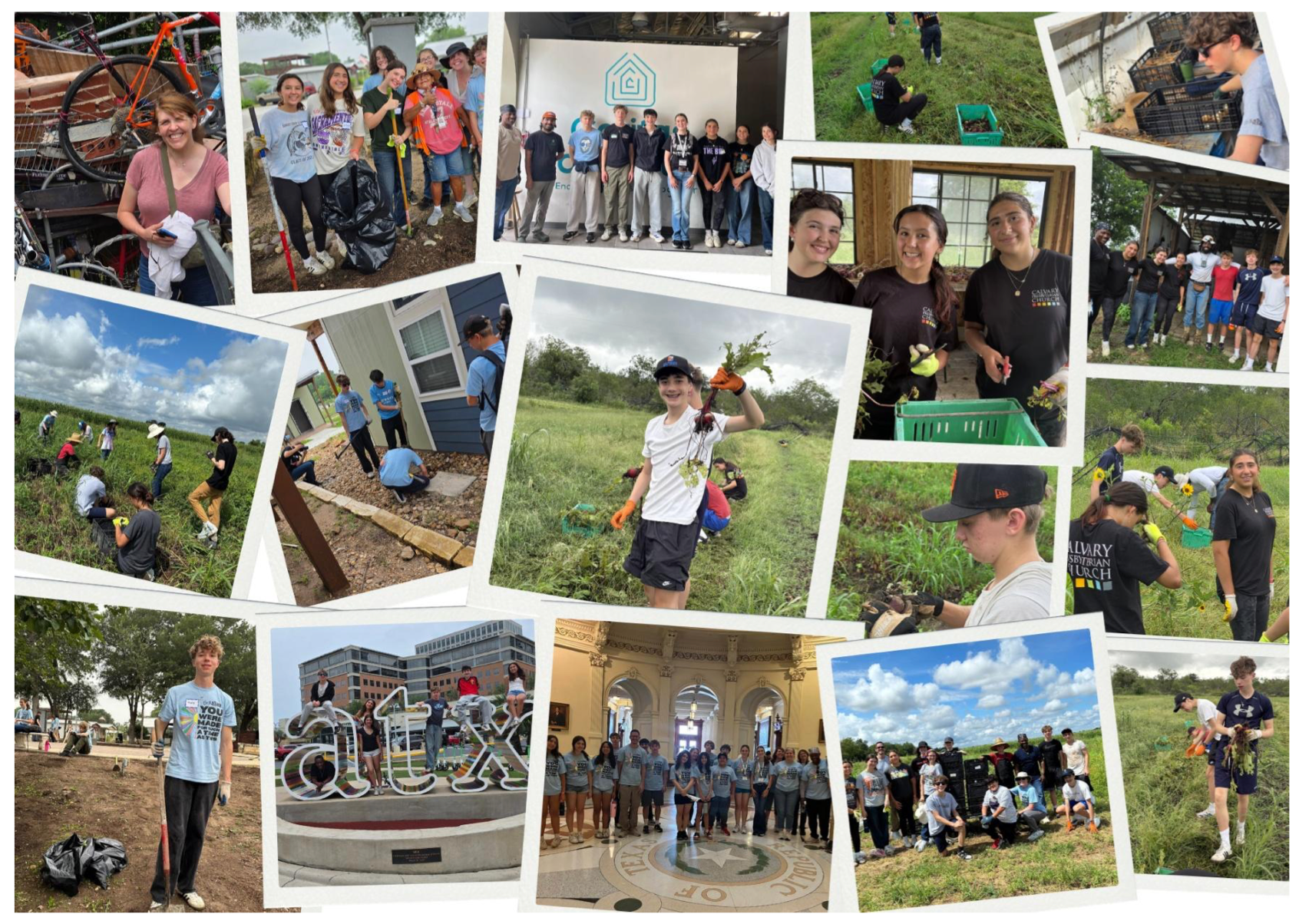
This morning I drank coffee, ate breakfast, and lit candles: twelve connected in a circle, the 4th candle on the menorah, and the four Advent candles on the angel chimes. It is Winter Solstice, also known as the Longest Night. Tonight we will celebrate a long night transition which generations of our ancestors have experienced. We share the Advent theme of “From Generation to Generation” with A Sanctified Art and countless churches across the United States. How do we remember the good that our ancestors fostered while doing good now, and encouraging a sustainable future for our children? This afternoon we will make lunches for over a thousand people to receive on Christmas Eve. Then we will sing together by candlelight in the chapel. How do these spiritual practices relate to sustainability, stewardship, and Seven Generation Thinking?
While reading Traci Smith’s Treasure Box Tuesday email, I clicked on her recommendation of an article about Seven Generation Thinking. I found an article written by Charlotte Akers from October 13, 2022. I like how Smith relays that “Seven Generation Thinking is common to a number of world belief systems.” Akers pinpoints the Seven Generation Philosophy of the Haudenosaunee (Iroquis) people that claims “the decisions we make today should result in a sustainable world seven generations into the future.”
We know that we are a consumer culture, even in our approach to church. Short-term gains are in our minds which could exclude thoughts about the future consequences of our action or inaction. God of the Old and New Testaments shows us the long view about how we, the children of God, are to be in the world. Doing incremental spiritual practices that encourage patience, questioning, discernment, listening, forgiving, and praying can open and quiet our minds so that we can make good sound choices. We can also be more present for our children, senior adults, and neighbors.
Since I did not have to drive my teens to school today, I was able to spend a few moments doing yoga. During that session, I experienced release and remembering, two things necessary to move on from old patterns, advance into growing edges, help body systems flow better, calm the acquisitive mind and heart, and reclaim stillness. When I got to work, an email reminded me to check my year-end investment report. Currently, my family could live simply for one year on retirement savings. I am thankful for that possibility, but also know that I need to work full-time well past age 65. Many people who do not benefit from generational wealth or opportunities for the best-paying jobs (even if qualified) face the fact that they might not get to retire in the way that they want to even if they worked continuously during their adult years. What legacy does that offer the next generation? Charlotte Akers reminds us that Seven Generation Thinking is not just about economic and environmental sustainability, but “all relationships: ecological, cultural, communities, and even our individual wellbeing.” How are we helping to create equitable and just systems that allow all people to access safety, healthcare, and wellbeing?
The article mentions inherited trauma. This morning during savasana (known as corpse or resting pose), I wished my ancestors rest, as I knew about many of the traumas they had experienced. I thought about traumas that I did not know about which seemed to play roles in family systems. I am responsible to be aware of my own inherited trauma and work to keep myself healthy. As an early childhood educator and parent, I understand that children have an amazing capacity to lead their own learning and don’t need to be filled with our information. We facilitate learning by creating safe environments with essential questions and materials for them to spark their own creations. Some of us were shaped by ancestors who thought that direct instruction and no space for feedback was the best way to work with children. Many adults would take personal offense to questioning rather than note that it is an opportunity for conversation and exploration. When something we are learning does not have a definitive answer or offer closure, we can take a breath and know that it is one step in our learning process. When we talk with our children about faith we can share our own doubts and questions without fearing that our children will abandon faith practices. We can walk together and be present in what we are all experiencing, so that we can validate how worthy we are as God’s children. We can apologize to our children and encourage them without fearing losing our authority or credibility. We can do that with our peers as well. As you move through this seasonal transition, may you acknowledge the ancestors that are in your DNA, your spirit, and those Gen Z folks who are shifting to lead a world we know nothing about.