
Sermon 03.08.2026: I AM (not)
In today's reading, Peter denies Jesus three times.
Peter isn’t any worse than any other sheep in God’s flock. Here, at least, he’s also not better. We are people, like Peter, who deny.
We deny our connectedness.
We divide into “us and them”.
We seek easy answers to complicated questions.
Denial is not the end of Peter's story. It doesn't have to be the end of ours either. Whatever answer we have chosen in the past, we can always choose a new answer today.
Scripture
John 18:12-27
So the soldiers, their officer, and the Jewish police arrested Jesus and bound him. First they took him to Annas, who was the father-in-law of Caiaphas, the high priest that year. Caiaphas was the one who had advised the Jews that it was better to have one person die for the people.
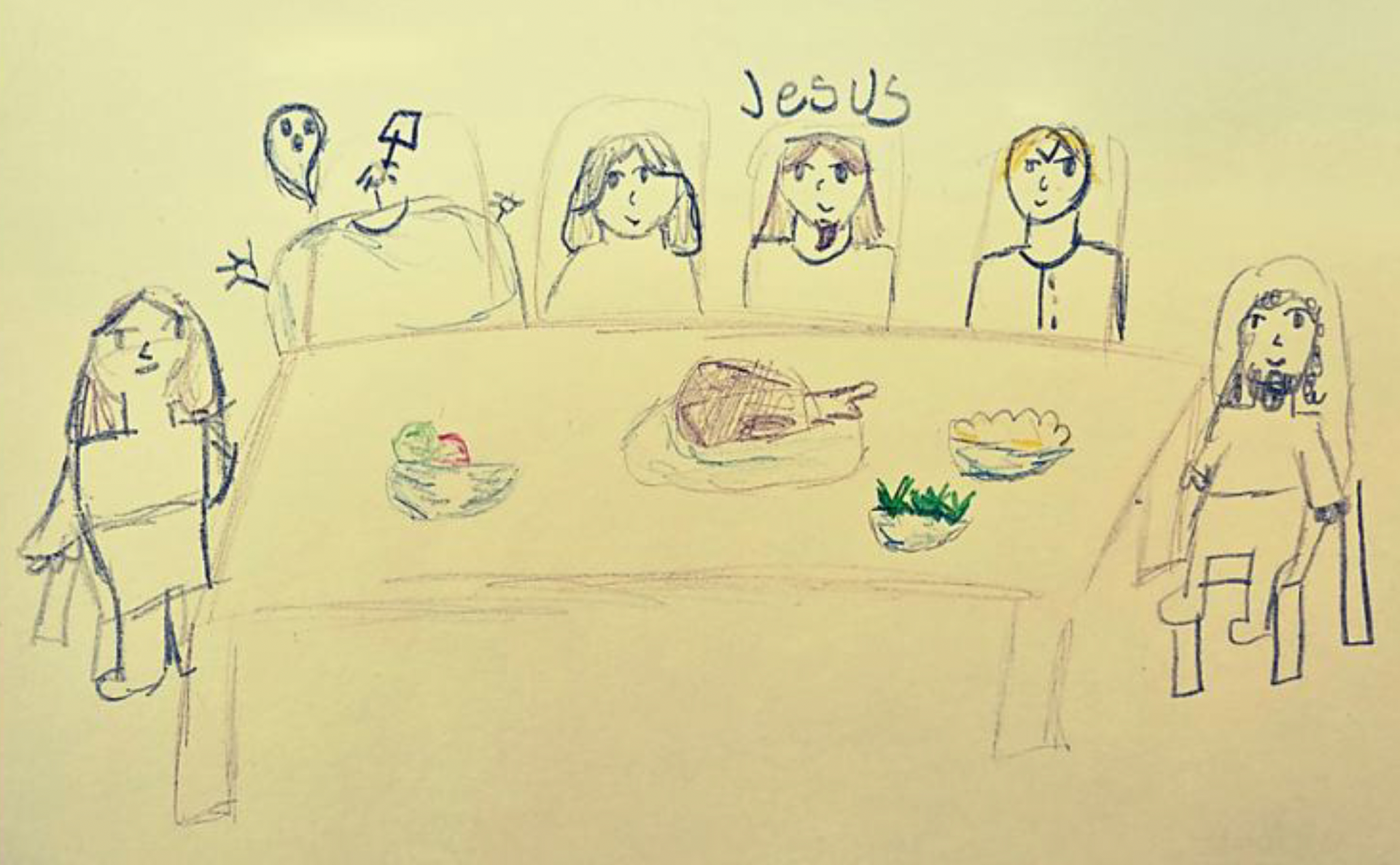
Simon Peter and another disciple followed Jesus. Since that disciple was known to the high priest, he went with Jesus into the courtyard of the high priest, but Peter was standing outside at the gate. So the other disciple, who was known to the high priest, went out, spoke to the woman who guarded the gate, and brought Peter in. The woman said to Peter, ‘You are not also one of this man’s disciples, are you?’ He said, ‘I am not.’ Now the slaves and the police had made a charcoal fire because it was cold, and they were standing round it and warming themselves. Peter also was standing with them and warming himself.
Then the high priest questioned Jesus about his disciples and about his teaching. Jesus answered, ‘I have spoken openly to the world; I have always taught in synagogues and in the temple, where all the Jews come together. I have said nothing in secret. Why do you ask me? Ask those who heard what I said to them; they know what I said.’ When he had said this, one of the police standing nearby struck Jesus on the face, saying, ‘Is that how you answer the high priest?’ Jesus answered, ‘If I have spoken wrongly, testify to the wrong. But if I have spoken rightly, why do you strike me?’ Then Annas sent him bound to Caiaphas the high priest.
Now Simon Peter was standing and warming himself. They asked him, ‘You are not also one of his disciples, are you?’ Peter denied it and said, ‘I am not.’ One of the slaves of the high priest, a relative of the man whose ear Peter had cut off, asked, ‘Did I not see you in the garden with him?’ Again Peter denied it, and at that moment the cock crowed.
Sermon
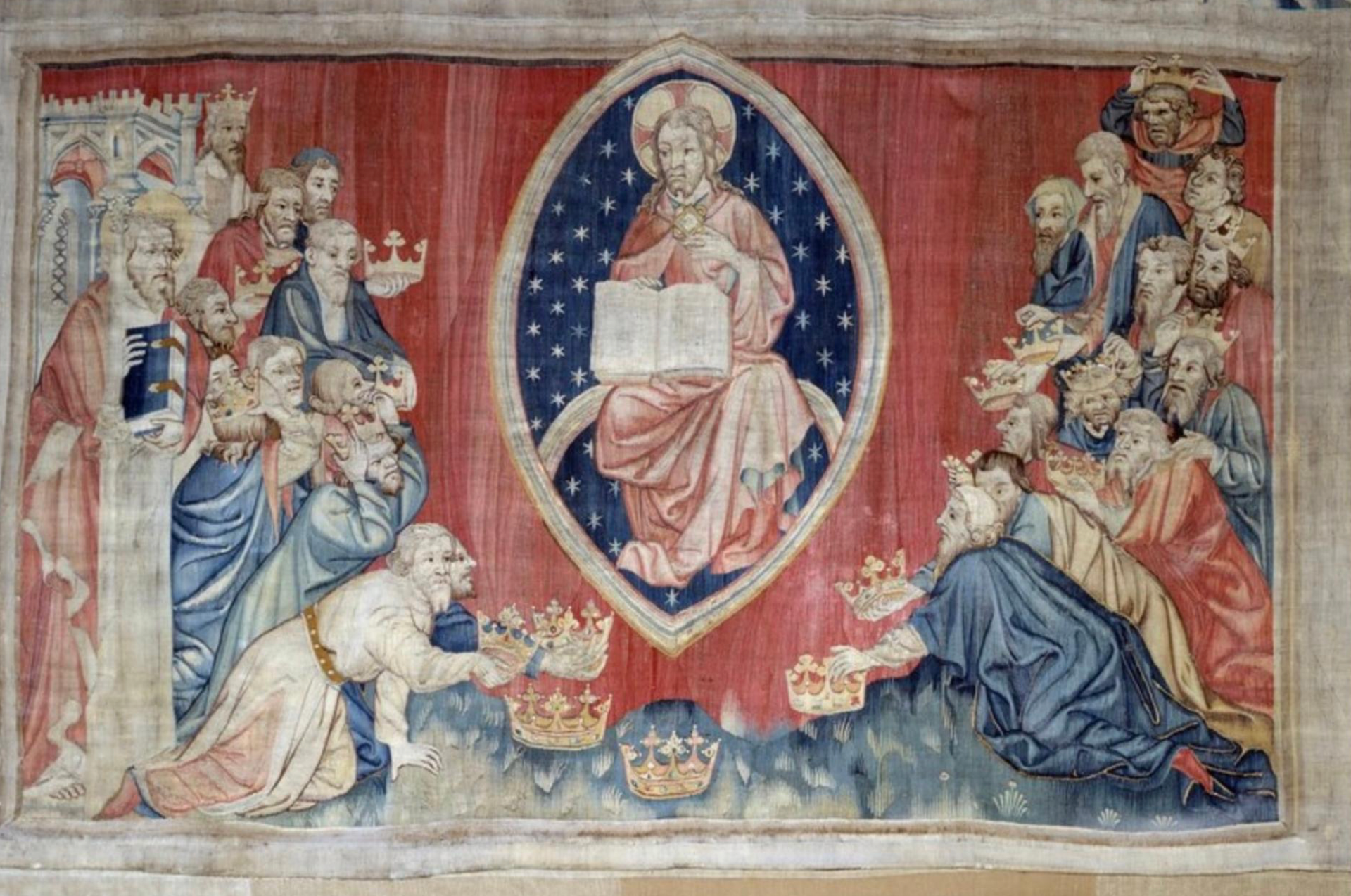
Earlier in John's gospel, in chapter 10, is the story of Jesus as the good shepherd, as the gate for the sheep. Jesus said: “I am the gate. Whoever enters by me will be saved and will come in and go out and find pasture.”
Jesus is the gate through which we come into the shelter of the sheepfold and go out into the world with the thieves and bandits. In this story today, the Greek word for “sheepfold” is the same word used for “courtyard”. The Greek word for “gate” is the same word Jesus claims to say “I AM the gate”.
Jesus is the gate and all gates will lead us to Jesus. In all the stories of our lives, even the stories we wish we weren’t in—like the one where our rabbi has been arrested and we’re afraid we’ll be arrested too because the government soldiers are looking for dissidents—in all the courtyards/sheepfolds where we are as God’s flock, there are gates that will lead us to Jesus.
Peter and the other disciple continue their role as sheep in God’s beloved flock, and in this story, I’m reminded it is difficult for us to hear Jesus ’promise that we will be saved. Whoever enters by me will be saved, says Jesus. Peter seems to not have internalized his salvation yet. He’s deep in denial, still hoping that human sneakiness and power might save him.
Before the verses we heard this morning, Jesus has been arrested, betrayed by his own. Every time, coincidentally, the soldiers ask Jesus who he is, he answers honestly. No denials from Jesus.
Peter cuts off the ear of a soldier and Jesus tells Peter to put his weapons away. Violence may be the way the world works, but it isn’t how God’s flock is called to live. Salvation does not arrive through violence. Not even in the midst of the violence and the fears we inflict on each other. Jesus commands us to love. Violence will not bring salvation.
As one commentator on this passage wrote, “Violence is easier than testimony."
And so we end up in another courtyard, another sheepfold, as Jesus is taken to high priest. The other disciple with Peter and Jesus is known by the person at the gate, and so he goes in with Jesus. Peter is left in the courtyard until the other disciple comes out and says “he’s with us”. It’s as if Peter’s backstage pass didn’t come through and he needs someone to vouch for him. The woman at the gate then asks Peter, You are not also one of this mans disciples, are you? He said, ‘I am not.’
Reading this story, I wonder if Peter was ever really in danger here. He is clearly afraid. The first time he’s asked who he is, it’s so he can join his friends. The other disciple moves back and forth, through the gate, without interference. He doesn’t have the privilege of being anonymous, but it doesn’t seem to hinder him. The other times Peter’s asked, I can’t decide if they are trying to figure out who he is, where they’ve seen him before, or if they want to put him in the right box. Is Peter on their side, or on Jesus' side?
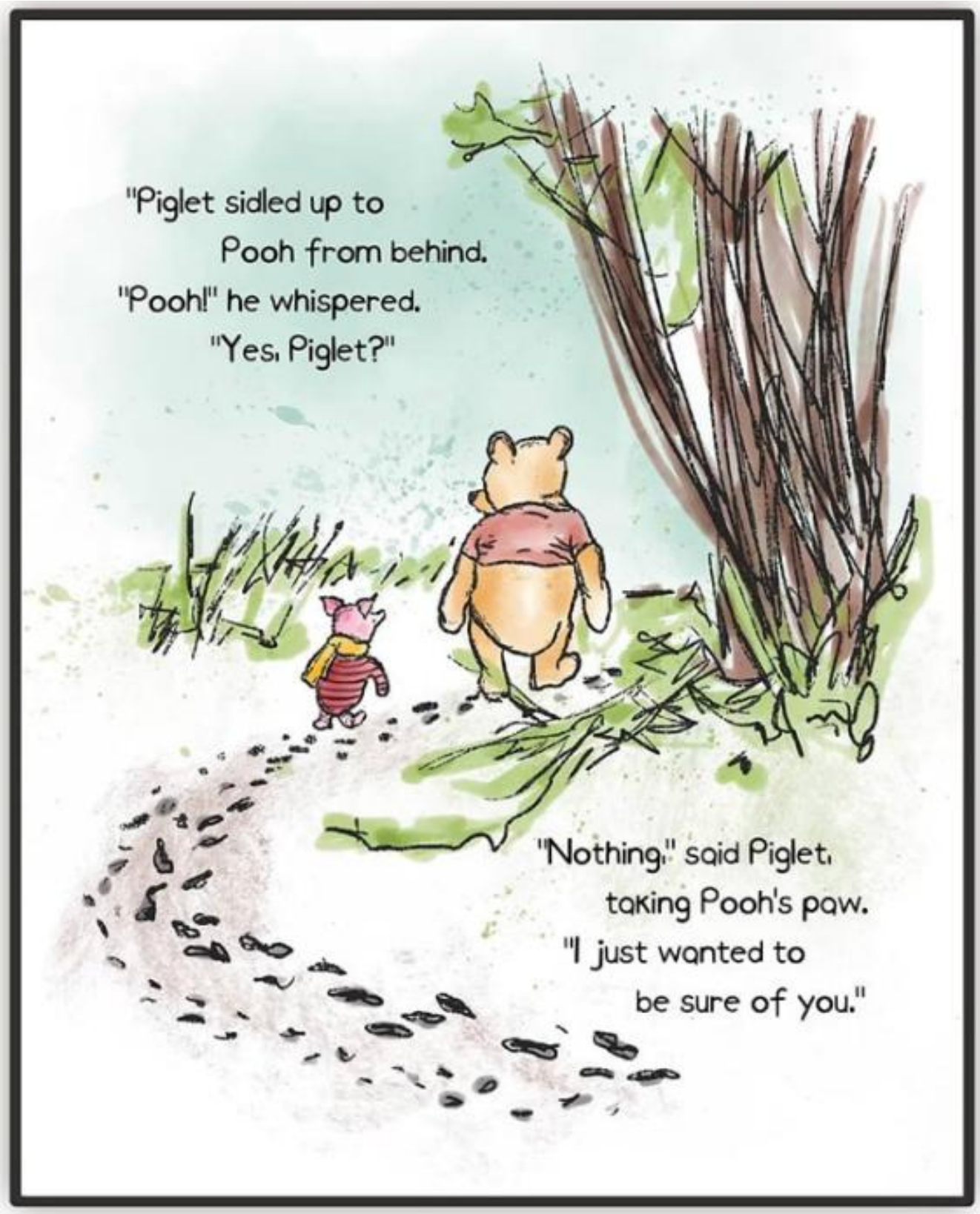
This past year, I read the book Bear Town they’ve pinned their hopes on success. It’s a great book about the good and bad sides of teams, of community, of future fears. In this book, he writes: by Fredrik Backman, who you may know better for the book, A Man Called Ove. Bear Town is a small town, facing the struggles small towns face. And the ice hockey team is where
Hate can be a deeply stimulating emotion. The world becomes easier to understand and much less terrifying if you divide everything and everyone into friends and enemies, we and they, good and evil. The easiest way to unite a group isn't through love, because love is hard, It makes demands. Hate is simple. So the first thing that happens in a conflict is that we choose a side, because that's easier than trying to hold two thoughts in our heads at the same time.”
All of that takes place in this courtyard story, doesn’t it? Jesus chooses his side, on the side of love, which is hard. Peter, for the moment, can’t hold two thoughts at the same time—he knows that salvation is from Jesus, and he’s afraid death is the worst thing that could happen.
Notice how light functions in John’s gospel too. Jesus is the light of the world, but he’s hidden away under arrest, so troops are running around with torches to bring light to the world and Peter stays warm by the light of the fire as he denies Jesus. They have chosen darkness by having the light of the world on the other side of the gate, bound, facing violence for speaking truth.
Jesus says “I AM” throughout John’s gospel. Here, Peter says “I am not”. The contrast is stark, and is meant to be. Peter’s denial occurs in all 4 gospels. In the others, though, he denies knowing Jesus. Here, he denies his own identity as a disciple, as a follower of Jesus.
We are people who often choose the easy path, even when it is a path that leads away from love.
This week, I’ve been thinking about how hard it is to choose the path of love. I read the news and I swear a lot in response to what I read, and I have not very nice thoughts in my heart about the people leading our country into war, cruelty, and chaos. And we don’t have to love their actions. And we don’t have to give them a pass just because we are people who want to follow Jesus’ call to be loving people. It is an act of love to demand our government uphold the Constitution.
I confess some days the best I can do is recognize my penchant for hatred and confess to Jesus that I know it’s there and I’m doing the best I can.
And then after I confess that, I try to return to love. And love is, actually, all around us.
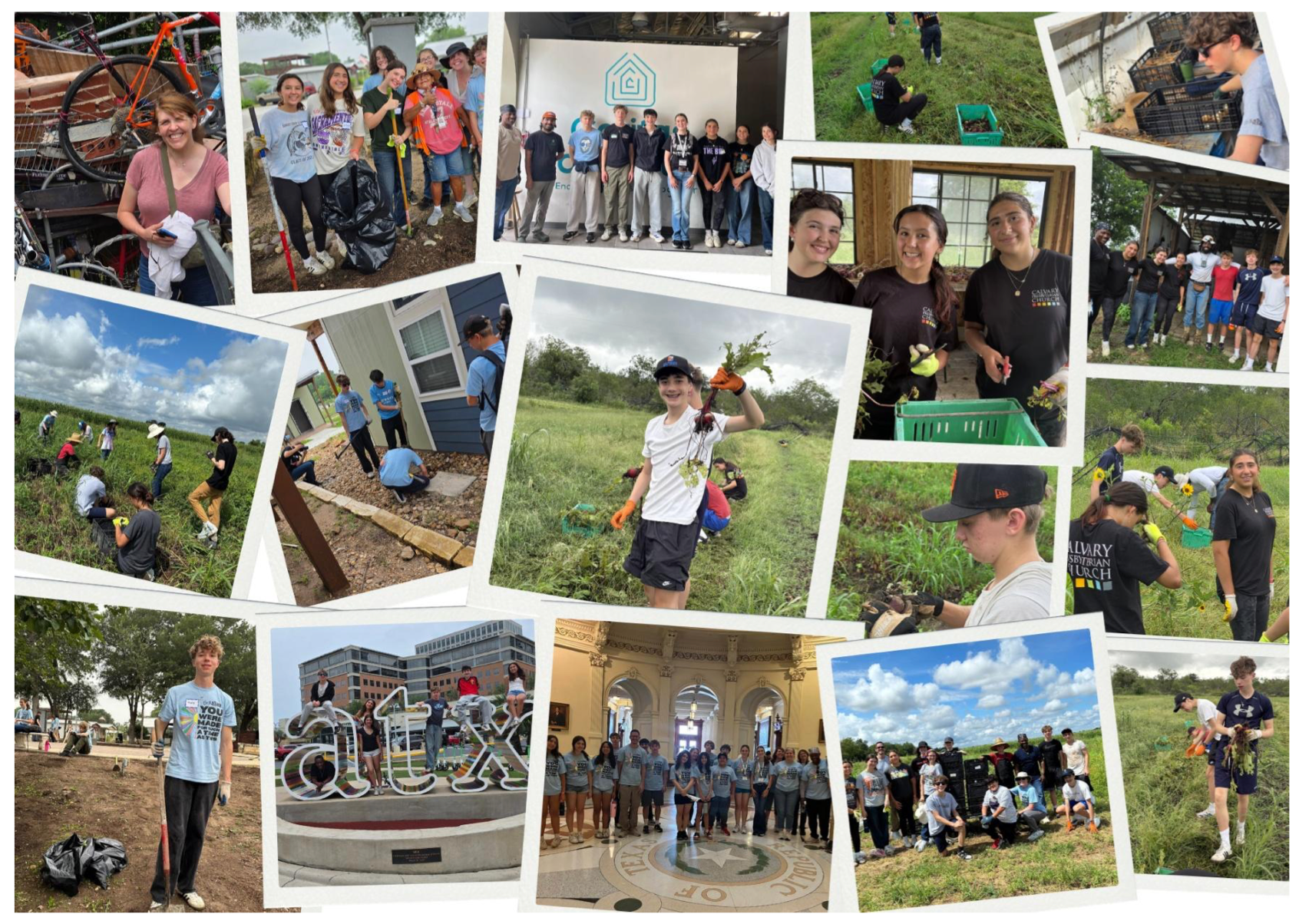
I see love in the care you offer each other here, with support after diagnosis, or meals after a baby is born, feeding people through the food pantry, winter shelter, or Martin de Porres, or cookies at coffee hour; or standing with people before they go into immigration hearings.
I see love in between the lines of the terrible news stories too. When people wait outside in the cold, outside detention facilities to give blankets to people released from wrongful detention with only the pajamas they were wearing when arrested from their beds, volunteers giving them cell phones to call loved ones to tell them they need a ride.
I see love when people care for their neighbors by advocating for policies that extend well being out into the community—speaking out for access to affordable housing, access to health care, access to the legal rights and constitutional protections in an immigration system that both protects us from harm and protects immigrants from abuse.
I see love when scout leaders, school principals, restaurant owners, and construction supervisors do what they can in their own quiet ways to protect their students and employees.
Whenever we refuse to abandon Jesus’ call to have love for one another, despite our fear, we show the world we are his disciples.
We are all sheep in the same flock, even if people may want to convince us that we are not, that some sheep don’t belong in our sheepfold. Jesus is the shepherd who calls us in to the sheepfold, who reminds us there are other sheep who also are worthy of his provision and care.
In this story, Peter and the other disciple found themselves in a courtyard (sheepfold), with the choice to go through the gate to where the Shepherd faced questions. Or to stay by the fire. And also face questions. The risk is real in both places. Questions will be asked in both places. Our response to the risk is always ours to make, each day, a new choice, a new question asked of us. Can we answer with love?
To be clear, Peter isn’t any worse than any other sheep in God’s flock. Here, at least, he’s also not better than any other sheep in the flock. We are people, like Peter, who deny.
We deny our connectedness.
We divide into “us and them”.
We seek easy answers to complicated questions.
We are people who choose the comfort of anonymity by the fire, rather than speaking truth that will have consequence.
Our denials often go unnoticed, by us at least. Peter is aware of his denial when he hears the rooster crowing in the morning, and remembers what Jesus said to him at the end of chapter 13.
Peter said to him, Lord, why can I not follow you now? I will lay down my life for you.’ Jesus answered, Will you lay down your life for me? Very truly, I tell you, before the cock crows, you will have denied me three times.
This isn’t the final act for Peter. Our denials are not our final acts either.
Remember this story of denial after Easter, when Jesus will see Peter again and ask him three times if he loves him. All three times, Peter will say “Lord, you know I love you”. And each answer of “I love you” is an “I am” that will help Peter walk away from his answers of “I am not”. And he will go on to be the boldest of the disciples, and the rock on whom the church will be built, as he follows Jesus commands to “feed my sheep”.
This week, in the news and in our own lives, look for those moments where we say, “I am” and then go through the gate that leads to life and hope. Look too, for the moments where we say, “I am not” and stay by the comfortable fires of our fears. Whatever answer we have chosen in the past, we can always choose a new answer today.
Thanks be to God.
Amen.