
Sermon 09.06.2026: Full Life in the Emptiest of Places
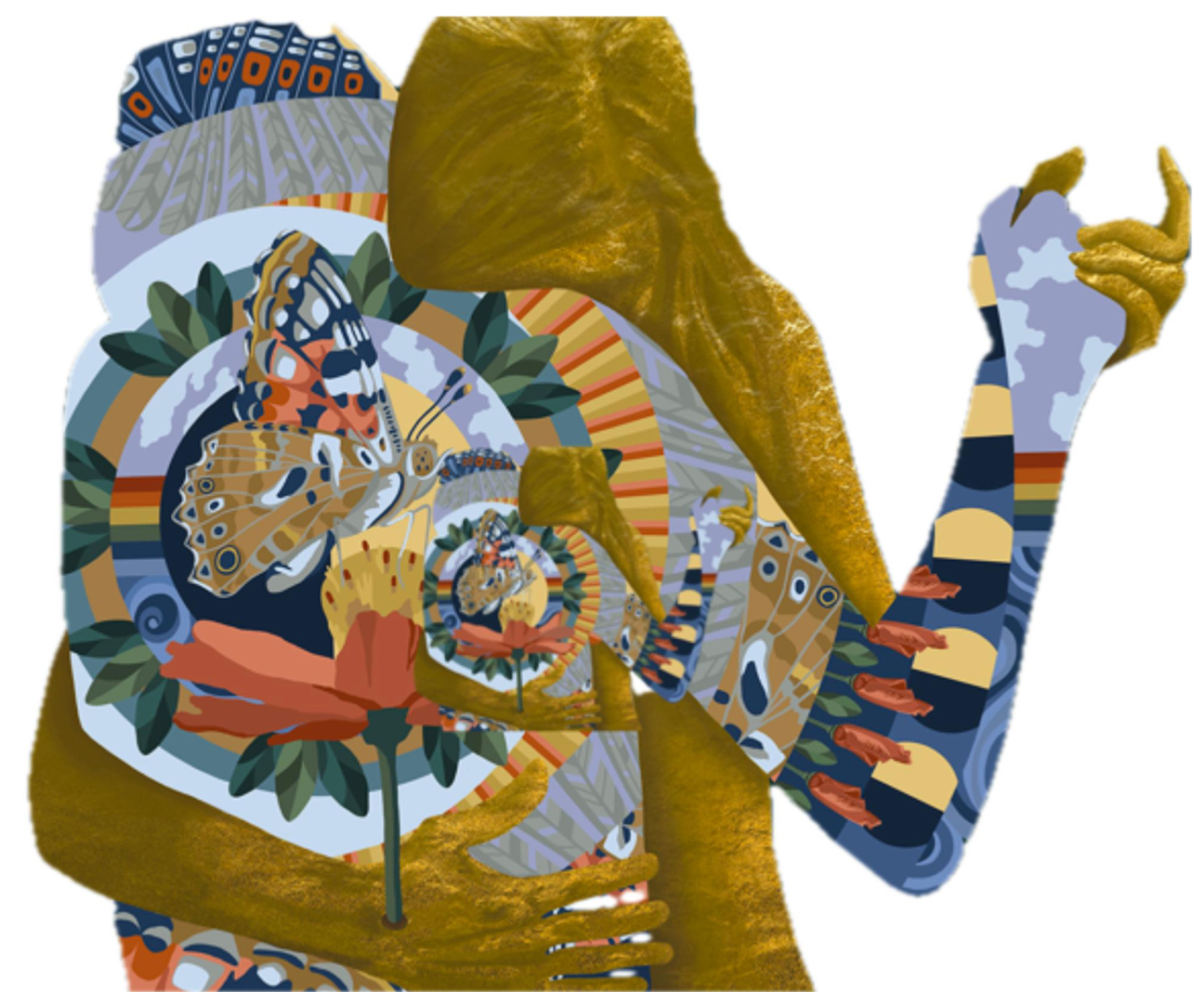
When bread is shared, this drab world regains its color. Little by little. This week we sit with the desert's own wisdom and ask what it means to rebuild steadily rather than wait to be rescued. And we will share Christ's bread and cup.
Scripture
Isaiah 58:9b-12
If you remove the yoke from among you,
the pointing of the finger, the speaking of evil,
10 if you offer your food to the hungry
and satisfy the needs of the afflicted,
then your light shall rise in the darkness
and your gloom be like the noonday.
11 The Lord will guide you continually
and satisfy your needs in parched places
and make your bones strong,
and you shall be like a watered garden,
like a spring of water
whose waters never fail.
12 Your ancient ruins shall be rebuilt;
you shall raise up the foundations of many generations;
you shall be called the repairer of the breach,
the restorer of streets to live in.
Sermon
Praying for Wisdom.
God grant me the serenity to accept the things I cannot change, the courage to change the things I can, and the wisdom to know the difference. [1] PS. So, God, I have been waiting for the Wisdom to know the difference for a long time, and I’ve begun to wonder whether there are some things I ought to leave broken. They seem unchangeable, and God, now that the dystopian plans of the powerful few are being revealed, where might we find the strength to keep going? Amen.
I may not receive direct answers, but I can receive the words of Isaiah. Here’s their context. Jerusalem's ruling and middle classes, aka the people who ran things, had been captured and hauled off to Babylon and detained there for forty, fifty years. Meanwhile, Babylon invaded with a prolonged smash and grab throughout Jerusalem. They took everything they could get. They cultivated fear and misery. They backed their shiny chariots right up to the treasury. They even tore down Solomon’s Temple. Now, try telling me the Bible isn’t relevant in 2026. [2]
The Apocalypse.
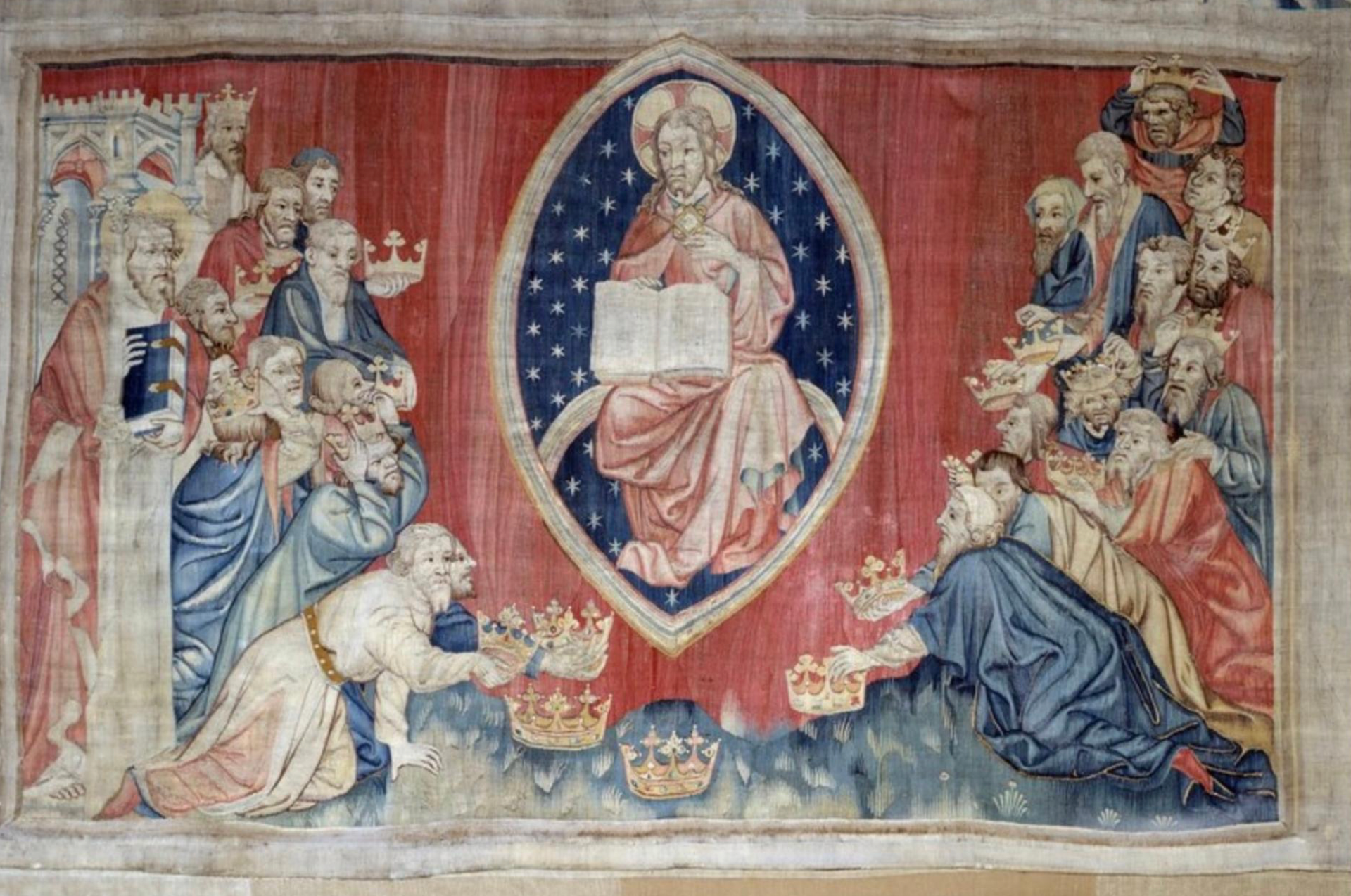
Today, some of our nation’s best minds and skilled professionals have fled to Canada. Others are expatriating to Mexico, the UK, Australia. All of our progress did not anticipate and cannot stop the bleeding. Something is crumbling. Many call our current situation doom, metacrisis, polycrisis, a kind of apocalypse wherein they pray for Avenger Jesus to descend, clutching Thor’s hammer to set things right. Others despair, and turn to ChatBot Jesus for sycophantic coddling. But for mainline, Bible-believing Christians, let’s remember: apocalypse doesn't mean we’re doomed. Apocalypse means reveal, like the old movie moment when the man behind the curtain is exposed not as the wizard but a con artist.
Last week, to remind Lou and me that going on vacation is supposed to be fun, I carried this keychain in my pocket all around Ashland. (I take out my keychain with its tiny speaker and play C3PO exclaiming, “We’re doomed!”) Those of you who laughed just now get it. We are not doomed. So yes, we are witnessing an apocalypse, and no, C3PO, we are in no way doomed.
If-Then.
Today’s scripture pivots on a litany of “if-then.” If-then is Isaiah’s description of how the moral universe works. If we remove the yoke, if we quit pointing the fingers, if we offer bread to the hungry…then light will outshine the gloom, then darkness will transform, the we’ll repair what’s worthy of restoration. This is not transactional system. It’s just how God works: the moral universe. [3]
Compare that to the “if-then” that young people are witnessing today. If we let the Pentagon withhold information about war, then we won’t be so anxious. If we let tech billionaires pollute the communities they don’t live in by building data centers, then we won’t be so “backwards and poor.” [4] That’s a direct quote; our government regards we the people as “backwards and poor.” Now, stop me if I’m mistaken, but didn’t somebody once say “blessed are the poor”? [5] Didn’t that same somebody tell us we ought to love our neighbors as ourselves? [6] What Bible are the White Christian Nationalists reading?
Liberation Burnout.
My seminary [7] was all about training spiritual leaders as “agents of change.” So I confess that, too often, that’s mainly what you hear from me. Do more. Be better. God wants us to get out there. Give. Serve. More. More is more. I can only imagine how exhausting I am.
But today, I am going to share a truth I've never dared to preach. Why? Because it’s easily misconstrued. But this morning, I am choosing to trust you with this. Here goes.
Sometimes the faithful response is not to resist but to accept. Accept what has happened. Yes, it’s awful, but embrace the apocalypse. [8] Give up the idea that we can reason our way out of world that is no longer governed by reason. I am not saying “give up” completely or even “stand down” or “stand by” for instructions. Don’t get this confused with “take a break” or “go do self-care.” I acknowledge that breaks and self-care are essential, but these days, they offer a tempting and slippery slope. Don’t get caught fiddling while it all burns. Instead, let the self-care include toasting up some marshmallows and enjoying s’mores. Then, get back to God by doing justice, loving mercy, walking humbly.
Part of my self-care has become to widen my "agent of change" identity to include another: “agent of compassion.” Compassion:
com means
with,
passion
means
suffering. One who suffers with. (You’re thinking, well, doesn’t that sound fun? This helps how? Can’t we just be doomed and let it go at that?) Agents of compassion can experience deeper meaning practicing compassion than any protest or spa retreat.
How to Repair a Breach.
This past Wednesday, I testified at immigration court. I won't say much about this; I can’t in this forum, but at the end of my testimony, the attorney asked me, "Is there anything else you'd like to say about the defendant?” Never ask that of a preacher. Now, I admit that I was nervous. The government's lawyers were intimidating, already shaking their heads and mumbling as I spoke. And then I heard myself say: “Yes, yes I would. I’m here with a group of about fifteen people. They’re downstairs, standing on the sidewalk. Most are from Calvary Presbyterian Church, located on the corner of Fillmore and Jackson. Three are from Mission Bay Presbyterian. I say this to let you know the defendant has a community, and they’re down there praying, for the defendant, for me, for everyone in here, and I hope it's all right to say this, for you too, Your Honor, for this whole process.” The judge leaned forward and smiled. "Yes," he said. "Please pray for us. We need it.”
I am proud of how Calvary steps up to repair the breach.
Another immigration judge once told our sanctuary ministers, at another hearing, that she was moved that people would be so kind and care enough about the justice system to show up. A defendant’s visible community of support influences outcomes. Several judges have said so.
My husband Lou and I are hooked on a British comedy called Trying. It’s about a straight couple trying to conceive and then, eventually, trying to adopt two children orphaned after their mother’s untimely death. There’s this scene, where their entire extended family aren’t allowed inside the courtroom. So, they stand outside, a vigil on the sidewalk, holding signs, dressed for either heartbreak or celebration, not knowing which they'll get. We watched that episode last night and I was a bit overcome. That's my church. That's what people standing on a sidewalk can mean. There they are, the hands and feet and shining faces of Christ, suffering with.
Showing up does not change the process. It will not guarantee a just verdict. But it can repair some of the breach. It can loosen the yoke. It says, “you are not alone.” It says that we will not let the yoke of White Christian Nationalism deter us or scare us or change us.
Our Living Sanctuary Ministry is soon headed down to Watsonville to witness what migrant workers face, to begin new relationships, quietly repairing the breach of exploitation that has run generations deep. This is more than a theory, or a nice church program. It’s even more than holy scripture. It’s a practice. It’s living. It’s made real by real human bodies acting in faith, together.
Limitless Soul.
Isaiah urges us to offer our bread to the hungry. We feed hungry people through the programs Calvary supports. In the Hebrew here, the word for bread can also be the word for soul. Yes, offer them food, but also pour out out your, says Isaiah. [9] You won’t run out of soul, any more than you would run out of grace. The more you give away, the more you have to offer.
Sorrows & Serenity.
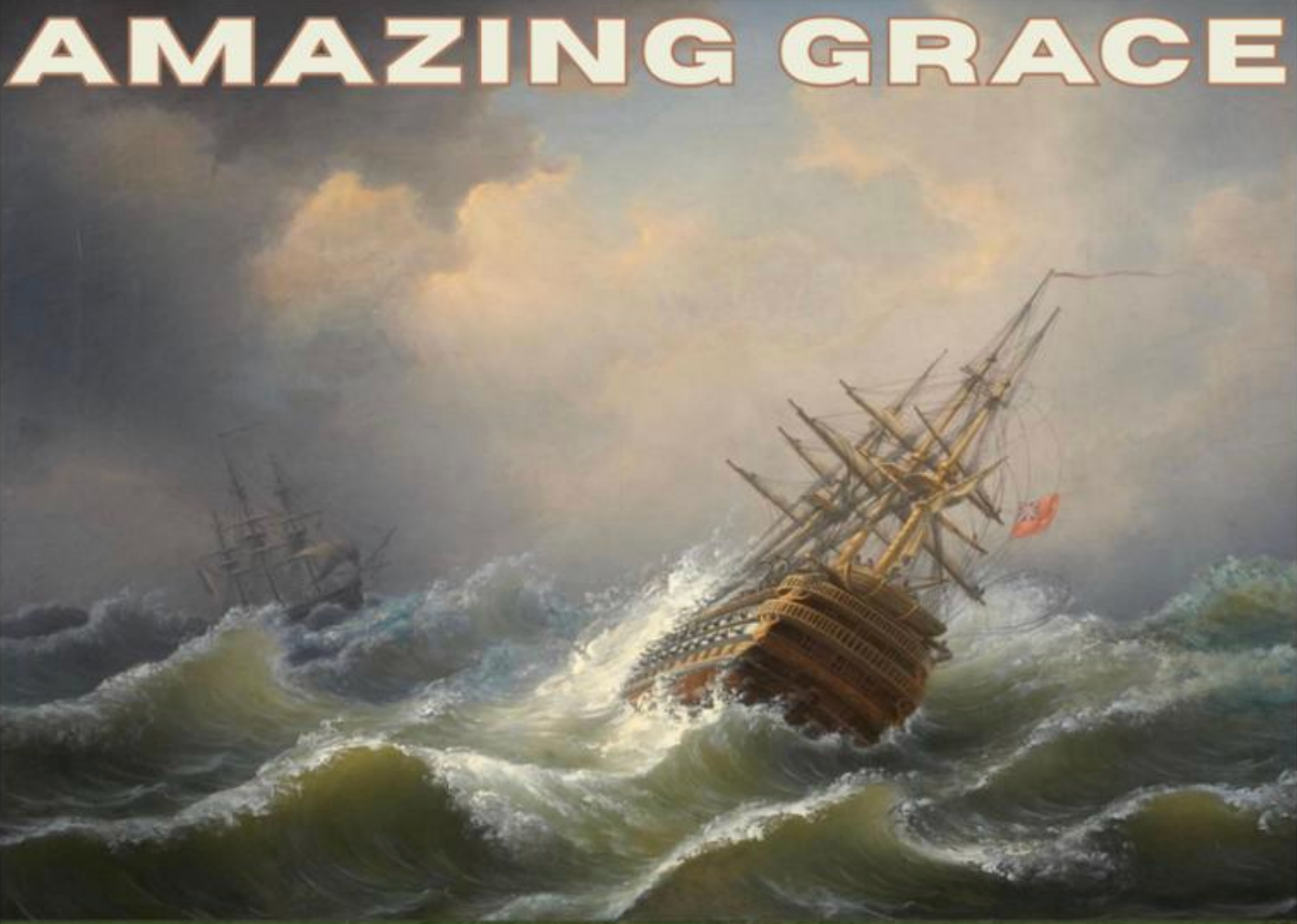
Calvary member Robin Aladeen embodied that. I visited her bedside a couple weeks ago, with Lary near by. We couldn’t really communicate. The pain medication had agitated and confused her. But she calmed and stopped resisting when I sang her favorite hymn, the one she told me to vote for as her proxy, several times, because it is the best hymn.
When peace like a river attendeth my way, when sorrows like sea billows roll,
whatever my lot, God has taught me to say “It is well, it is well with my soul.”
In two days time, Robin would join the heavenly choir. Nobody wants to accept death. Some die without accepting. That’s a tragedy. There is value in accepting what’s happened, what’s really going on. Robin accepted. She poured out her soul to those who were hungry for grace.
Palliative Care for a Dream.
Douglas Rushkoff is a writer who studies media and how algorithms shape us. Rushkoff decries our current search for the next clever intervention10 to save the dying patient, when what's called for is acceptance, palliative care instead of another vain rescue plan. For the select few, the if/then is escape, head to the bunker, become post-human in the cloud, build a rocket. They mean to save themselves, and it’s just too bad for rest of us. They ignore what Rushkoff knows, what Jesus knew, what you know deep down: "We cannot be fully human alone.” [11] Hannah Arendt said much the same, reflecting on how the Nazis convinced so many people they were alone, isolated from one another, that their neighbors were to be feared and, following that logic, should be destroyed. [12]
We are either human together or not human at all. It’s a doctrine older than this nation, sinful as we are, whose Founders, sinful as they were, described it as “self-evident” that all people are created equal. They did not live long enough to complete their repairs to the breach. They committed us to it, to do our part. But what can be changed? What cannot be changed? More clarity would be helpful, God. Maybe mine are the wrong questions, especially since Isaiah’s answer seems to be “if-then.” And that’s fine by me. If we love each other like we're the last ones who might get to enjoy this Eden, if we stand vigil on the sidewalk, befriend the migrants of Watsonville, visit the sick, feed the hungry, if we rebuild the ruins (at least the ruins that are worth our limited time), then we'll be doing our part as repairers of the breach, then we’ll be on the road to restoration. So until that day, the day of “then”: May God grant us the serenity to accept the things we cannot change, but the courage to change the we must not accept. Amen.
1 “Serenity Prayer” Reinhold Niebuhr, orig. early 1930s, “The AA Prayer” cir 1940, this version from the 1950s. See < https://en.wikipedia.org/wiki/Serenity_Prayer
2 Invasions in Iran and Venezuela, abolishing environmental regulations for profit, revoking healthcare, dismantling the federal government, tearing down a wing of the White House, destroying of the Lincoln Memorial Reflecting Pool, soaring prices, mocking constituents, demonizing immigrants, trans people, Black women. Thwarting the freedom of the press and the democratic process of voting. To name some. >
3 Walter Brueggemann’s interpretation
4 President Donald J. Trump, Forbes, September 2, 2026, accessed online at < backwards-poor-gdp-us-economy-politics-midterms-elections-bipartisan/https://fortune.com/2026/09/02/trump-data-center-
5 Luke 6:20.
6 Leviticus 19:18, Matthew 23:29, Mark 12:31, Romans 13:9-10, James 2:8, John 15:12…you get the idea. < https://www.compassion.com/blog/loving-your-neighbor-in-the-bible/> (September 3, 2026)
7 psr.edu
8 Daniel Rushkoff’s phrase > (September 5, 2026)
9 The King James Version puts it this way: “And if thou draw out thy soul to the hungry, and satisfy the afflicted soul; then shall thy light rise in obscurity, and thy darkness be as the noonday.” Isaiah 58:10
10 Daniel Rushkoff, “Embracing Apocalypse” August 31, 2026, < https://rushkoff.substack.com/p/embracing-apocalypse (September 1, 2026) >
11 Rushkoff, Team Human, New York: Norton & Company, 2021.
12 Hannah Arendt, The Origins of Totalitarianism, New York: Harper Collins, 1951.