Don’t Wait! Pray the Psalms. Do a Yoga Pose. Eat Raspberries.
Most grandparents want a grandchild to open their gift right away, so that they can see the child’s expression, reaction, and connection to the gift. Some of us, as adult children, have a parent’s or grandparent’s voice in our head that encourages restraint, “Don’t use it. Save it for a rainy day. Keep it nice and it will last longer.” Our relationship with abundance and scarcity can pop up in the ways we approach daily practices, relationships, and objects. It shapes the way we engage with our children. We rightly withhold, sometimes consciously or unconsciously, in order to protect ourselves. Withholding can be a way to conserve energy and help us navigate our financial, emotional, or spiritual state. When we don’t have a clear picture of our wants and needs, our concept of abundance can be more like zoned out consuming. We’ve all been there.
Several writers and teachers have said, “Don’t wait to: pray the psalms, try a more challenging yoga pose, eat ripe raspberries, tell someone that you care about them etc.” Rev. J.W. Gregg Meister wroteThe Psalms: The Prayer Book of Jesus and gave this take-away, “Don’t put off using this psalm [Psalm 23] until your funeral. You won’t be there anyway. Use it now. Live it now. Apply it now. Don’t leave home without it.” I remember having to memorize the 23rd Psalm and Psalm 100 in 2nd grade Sunday school. In high school I sang songs that contained the lyrics of Psalm 5 and 40. The psalmist’s words stuck with me, especially in moments where I had no bible and was far from home.
While going through B.K.S. Iyengar-method yoga trainings, my teachers would often say something like, “Go through the entire series on your own. Don’t wait until you are 90 years old to safely and intelligently do some of the more challenging poses. Look through the succession or families of poses and try to understand how they progress from simple to complex, from gross to subtle.” We could approach the psalms and lamentations in a similar way as they range in color from dancing joy to utter grief. Reading a lamentation or a bible passage featuring someone complaining to God can be similar to approaching a challenging yoga pose. It might be uncomfortable to approach it, but ultimately liberating in the truth it reveals.
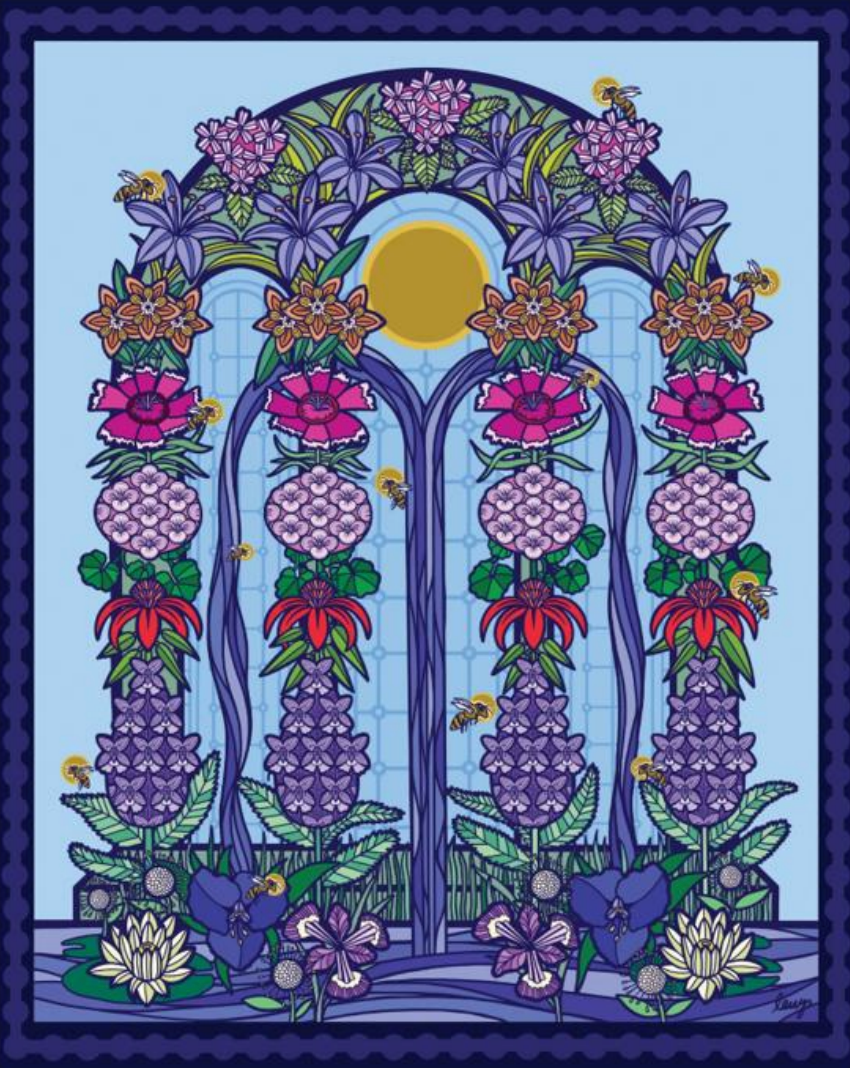
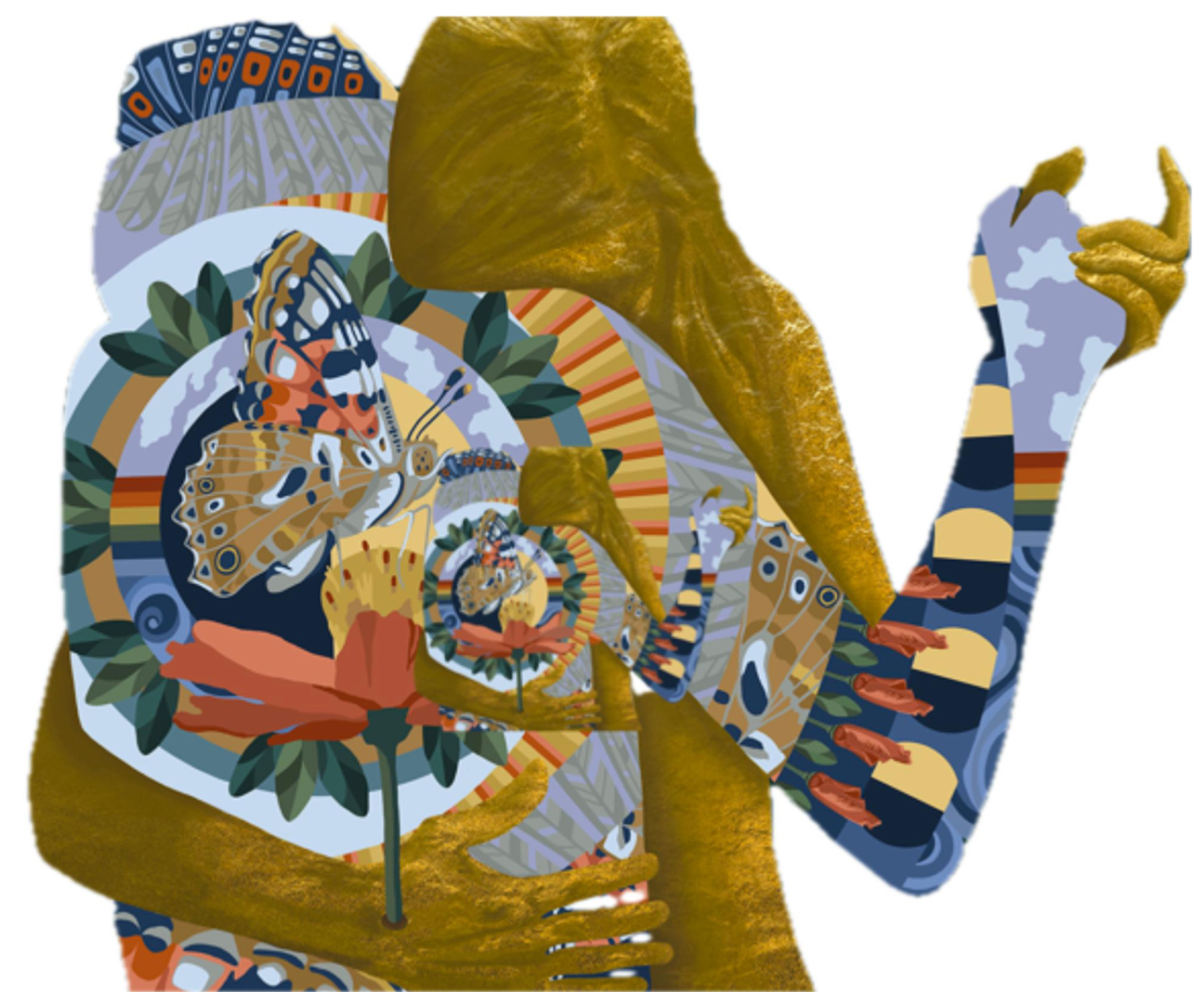
For the Lenten season, A Sanctified Art has prepared liturgy and children’s curriculum under the title Full to the Brim and has included affirmations for each week. The Full to the Brim theme reminds us of the 23rd Psalm’s “cup runneth over” and the feeling we might have when our needs are met. If we internalized the popular affirmation, “I am worthy.” we might more easily take calculated risks and animate those positive practices and relationships that we deserve. Julia Cameron, author of The Artist’s Way , talked about experiencing abundance by allowing oneself to eat raspberries, which tend to be more expensive or rare than other fruit choices. If accessing raspberries (fill in the blank with a simple pleasure) makes one’s life more wholesome and inspiring, why not?
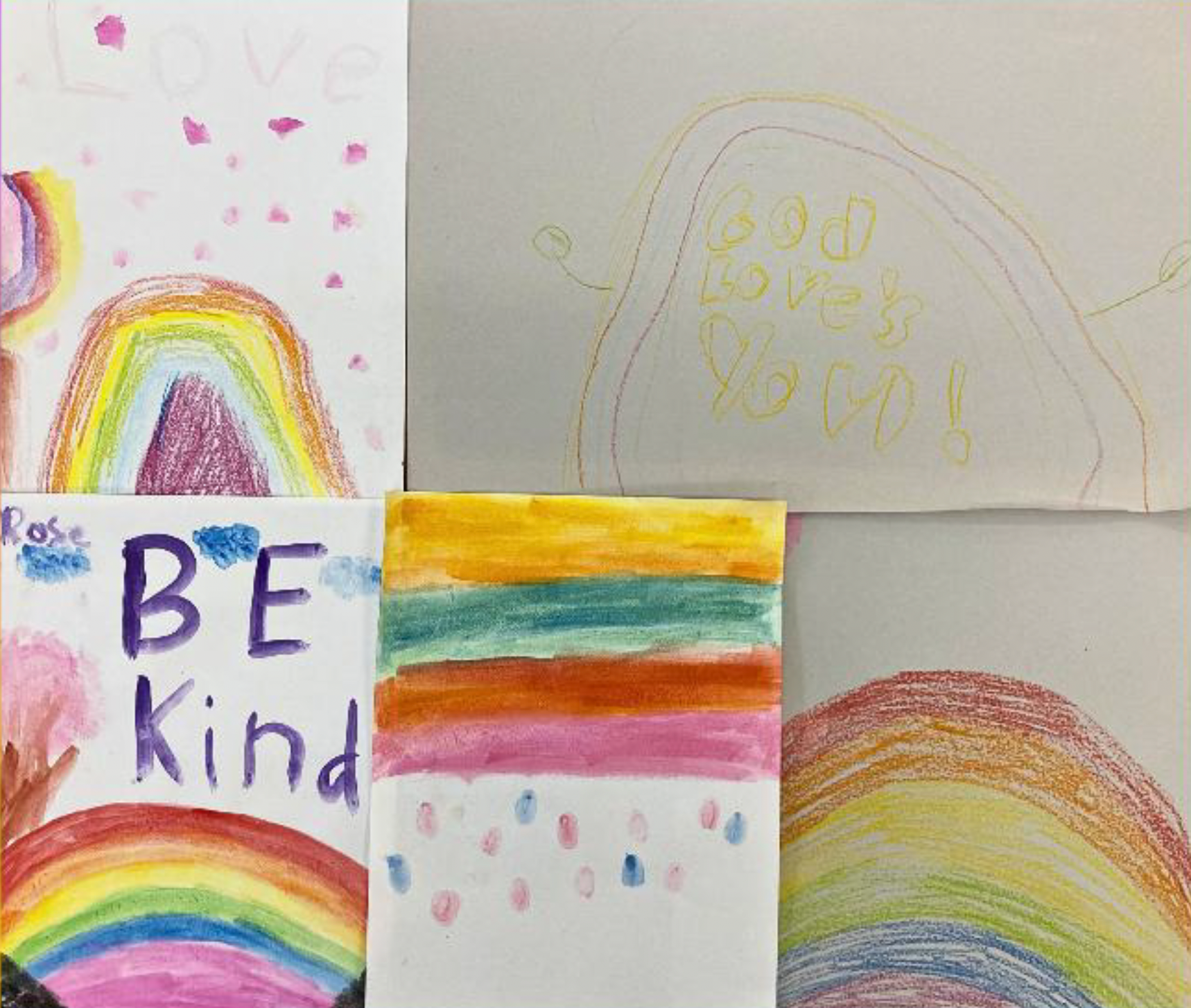
During Lent, children will hear affirmations created by Rev. Anna Strickland’s Full to the Brim children’s curriculum. They are encouraging similar to the nine affirmations that Rev. Marci Glass talked about during the fall enneagram sessions. I invite you to engage with these affirmations throughout the Lenten season to see which ones resonate with you.
Full to the Brim affirmations are: I can make good choices. I am safe with God. I am worthy. God loves me no matter what. I share love and beauty. I speak up and tell the truth. I am hopeful. You are stronger than you ever imagined. I am enough. I am here for a reason. My smile makes a difference. I am appreciated. I am loved.
Marci will be offering the Introduction to the Enneagram Workshop again, if you are interested in learning more about the Enneagram or those affirmations, please check the event calendar.